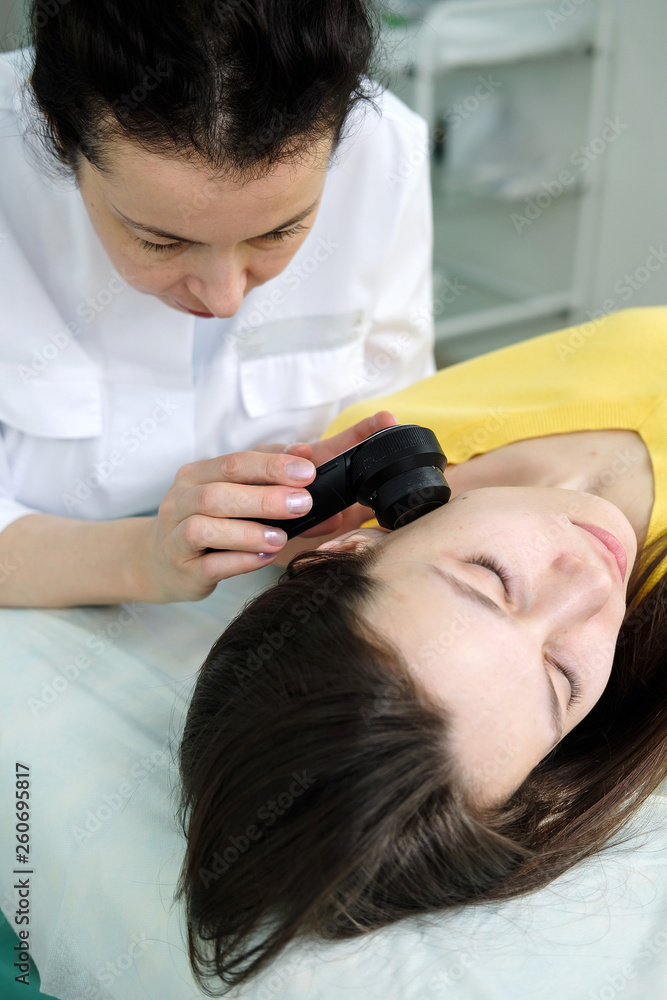
Are you struggling with hair loss, thinning hair, or an itchy scalp? Finding the right dermatologist hair loss specialist near you can make all the difference in addressing your concerns. With so many options available, it can be daunting to choose the best expert for your needs. In this comprehensive guide, we’ll walk you through the process of finding a dermatologist hair loss specialist near you, what to expect during your consultation, and expert tips for maintaining a healthy scalp.
A dermatologist hair loss specialist is a medical professional who has expertise in diagnosing and treating hair loss conditions, including male and female pattern baldness, alopecia, and various skin-related disorders that can cause hair loss. They can provide personalized advice, prescribe medications, and recommend treatments to promote hair growth and prevent further hair loss. In the United States, there are over 10,000 dermatologists, with many specializing in hair loss. However, not all dermatologists are created equal, and finding the right one for your needs requires research and due diligence.
Before searching for a dermatologist hair loss specialist near you, it’s essential to understand your needs and what to expect during your consultation. Here are some key factors to consider:
Understanding Hair Loss Causes and Symptoms
Hair loss can be caused by various factors, including genetics, hormonal imbalances, nutritional deficiencies, stress, and certain medical conditions. Symptoms can vary from person to person, but common signs of hair loss include:
- Thinning or falling hair
- Patchy hair loss
- Itchy scalp
- Dry, flaky skin
- Rapid hair shedding
Symptoms by Hair Loss Type
Different hair loss conditions have unique symptoms and causes. Familiarizing yourself with common types of hair loss can help you identify potential issues and consult with a dermatologist more effectively.
- Androgenetic Alopecia: Also known as male/female pattern baldness, this is the most common form of hair loss, caused by a combination of genetics and hormones.
- Alopecia Areata: An autoimmune disorder that causes patchy hair loss due to an abnormal immune response.
- Telogen Effluvium: Hair loss triggered by stress, nutritional deficiencies, and hormonal imbalances.
Choosing the Right Dermatologist
When selecting a dermatologist hair loss specialist near you, consider the following factors:
- Experience: Ensure the dermatologist has experience in treating your specific hair loss condition.
- Board Certification: Verify that the dermatologist is board-certified by the American Board of Dermatology (ABD).
- Reputation: Check online reviews and ratings from reputable sources, such as Healthgrades or Zocdoc.
- Insurance Coverage: Confirm that the dermatologist accepts your insurance plan.
Common Treatments and Procedures
Dermatologists use various treatments to address hair loss, including:
- Medications: Minoxidil (Rogaine) and finasteride (Propecia) are common medications for androgenetic alopecia.
- Low-Level Laser Therapy (LLLT): A non-invasive procedure using low-level laser or light-emitting diodes to stimulate hair growth.
- Hair Transplantation: A surgical procedure where hair follicles are transplanted from one area of the body to the scalp.
Comparison of Common Hair Loss Treatments
| Minoxidil (Rogaine) | Finasteride (Propecia) | LLLT | Hair Transplantation | |
|---|---|---|---|---|
| Effectiveness | 30-40% | 78% | 35-40% | 85-90% |
| Side Effects | Dizziness, itching | Impotence, breast tenderness | Headache, redness | Swelling, infection |
| Treatment Time | 6-12 months | 3-6 months | 30-40 minutes per session | Several hours |
| Repeatability | Daily application, no downtime | Daily application, no downtime | Weekly sessions, 6-12 months | Single procedure, results may vary |
Expert Tips for a Healthy Scalp
- Maintain a balanced diet that includes foods rich in vitamins and minerals, such as omega-3 fatty acids and iron.
- Reduce stress through meditation, yoga, or deep breathing exercises.
- Use gentle hair care products and avoid heat styling tools.
- Protect your scalp from the sun with a hat or sunscreen.
Frequently Asked Questions about Dermatologist Hair Loss Specialist Near Me
Q: What is hair loss?
Hair loss, also known as alopecia, is a condition where hair falls out or does not grow back. It can be caused by various factors, including genetics, hormones, stress, and certain medical conditions.
Q: How do I choose a dermatologist hair loss specialist near me?
When selecting a dermatologist hair loss specialist, consider their experience in treating your specific hair loss condition, board certification, reputation, and insurance coverage.
Q: What are common hair loss treatments?
Common hair loss treatments include medications, low-level laser therapy (LLLT), and hair transplantation. The effectiveness, side effects, treatment time, and repeatability vary between each treatment.
Q: How do I maintain a healthy scalp?
Maintaining a balanced diet, reducing stress, using gentle hair care products, and protecting your scalp from the sun can help promote a healthy scalp and prevent hair loss.
Conclusion
Finding a dermatologist hair loss specialist near you requires research and due diligence. By understanding your hair loss causes and symptoms, choosing the right dermatologist, and being aware of common treatments and procedures, you can take the first step towards addressing your hair loss concerns. Remember to maintain a healthy scalp by following expert tips for a balanced diet, reduced stress, and gentle hair care. Consult with a dermatologist today to start your journey towards a fuller, healthier head of hair.

