Trigger Point Injections Near Me: Understanding Relief from Chronic Pain
If you’re living with chronic pain, you know how debilitating it can be. Waking up with aching muscles, struggling to perform daily tasks, and feeling like you’re constantly managing your symptoms can be overwhelming. That’s why seeking relief from trigger points has become a popular solution for many individuals. Trigger point injections (TPIs) are a minimally invasive treatment that can provide significant pain relief, but where do you start?
Understanding the concept of trigger points and how TPIs work is essential in making informed decisions about your treatment options. In this comprehensive guide, we’ll explore the benefits and drawbacks of trigger point injections, how they compare to other treatments, and what to expect during a session. Whether you’re experiencing chronic pain, fibromyalgia, or tendinitis, this article will provide you with valuable insights and expert tips to help you find relief.
What are Trigger Points and How Do They Relate to Pain?
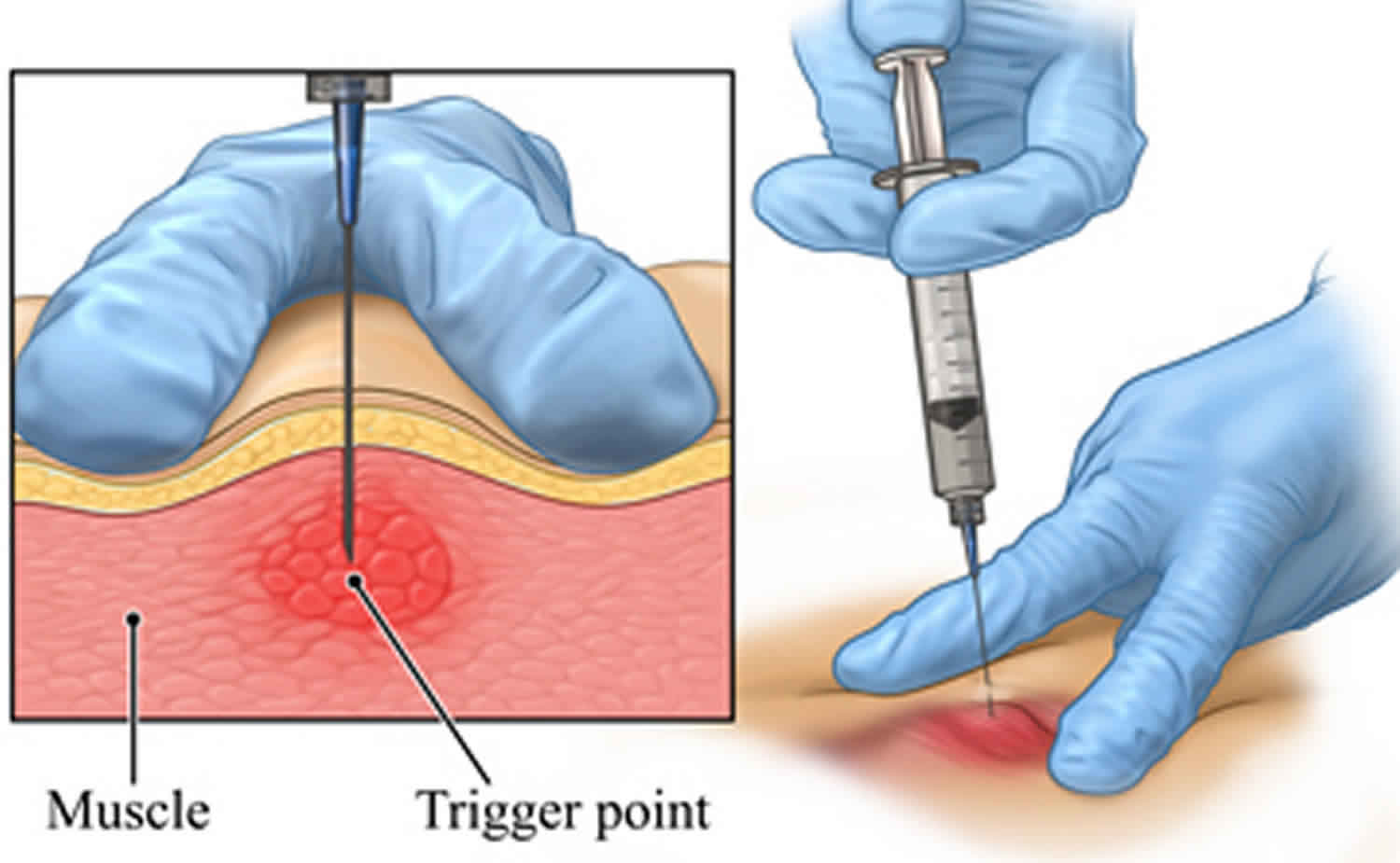
Trigger points are areas of muscle tissue that become overactive and tight, leading to pain and stiffness. These knots can form in any muscle, but are commonly found in the neck, back, and shoulders. When a trigger point is activated, it can cause referred pain in other areas of the body, making it challenging to pinpoint the source of the discomfort.
Trigger point injections are designed to relax these overactive muscle fibers, reducing pain and inflammation. During a TPI session, a small amount of medication is injected into the affected area, which can include lidocaine, steroids, or other anesthetics. The goal is to break down the muscle spasm and promote healing.
Finding a Qualified Practitioner for Trigger Point Injections Near You
With the growing popularity of TPIs, it’s essential to find a qualified practitioner who can administer the treatment safely and effectively. Here are some steps to help you find a practitioner near you:
- Consult with your primary care physician or a specialist, such as a rheumatologist or pain management specialist, to determine if TPIs are right for you.
- Research local pain management clinics or medical spas that offer TPIs.
- Check online reviews and ratings to ensure the practitioner has a good reputation and necessary experience.
- Verify the practitioner’s qualifications, including their medical license and credentials.
What to Expect During a Trigger Point Injection Session
While TPIs are generally well-tolerated, it’s essential to understand what to expect during a session. Here’s a step-by-step guide:
- Medical History and Examination: Before the procedure, your practitioner will review your medical history, perform a physical examination, and discuss the treatment plan.
- Preparation: You’ll be asked to change into a gown and lie down on a treatment table. The practitioner will clean and prepare the injection site.
- Injection: The practitioner will inject the medication into the affected area, which may sting for a few seconds.
- Post-Injection: You’ll be monitored for a short period to ensure there are no adverse reactions.
Comparison of Trigger Point Injections with Other Treatments
When evaluating treatment options, it’s crucial to consider the pros and cons of each method. Here’s a comparison of TPIs with other common treatments:
| Treatment | Advantages | Disadvantages |
|---|---|---|
| Trigger Point Injections (TPIs) | Minimally invasive, quick recovery, targeted pain relief | May require multiple sessions, limited availability |
| Physical Therapy | Cost-effective, non-invasive, promotes overall wellness | Time-consuming, may not address underlying issues |
| Medication Management | Affordable, accessible, can be used in combination with other treatments | May have side effects, dependence on medication |
| Acupuncture | Holistic approach, non-invasive, can promote relaxation | Limited scientific evidence, may require multiple sessions |
Expert Tips for Maximizing Trigger Point Injections Near You
To get the most out of your TPIs, follow these expert tips:
- Combine with Other Treatments: TPIs can be used in conjunction with physical therapy, medication management, and lifestyle modifications to enhance pain relief.
- Maintain a Healthy Lifestyle: Regular exercise, balanced diet, and stress management can help sustain the benefits of TPIs.
- Communicate with Your Practitioner: Inform your practitioner about any changes in your pain levels, medical conditions, or medication regimen to ensure the best possible outcome.
- Follow Post-Treatment Instructions: Adhere to your practitioner’s guidelines for post-treatment care to minimize discomfort and promote optimal healing.
Frequently Asked Questions about Trigger Point Injections Near Me
- Q: What are the potential side effects of trigger point injections?
A: Common side effects include temporary pain, bruising, and inflammation at the injection site. Rarely, more serious complications like infection or nerve damage may occur. - Q: Can I perform daily activities after a trigger point injection?
A: Yes, most people can resume their normal activities immediately after the procedure. However, your practitioner may recommend avoiding strenuous activities for a short period. - Q: How many trigger point injections will I need?
A: The number of sessions varies depending on the individual’s condition and response to treatment. Some people may require multiple sessions, while others may experience significant pain relief after a single treatment. - Q: Can I combine trigger point injections with other treatments?
A: Yes, TPIs can be used in conjunction with physical therapy, medication management, and lifestyle modifications to enhance pain relief.
Conclusion
Trigger point injections can provide significant pain relief for individuals struggling with chronic pain, fibromyalgia, or tendinitis. By understanding the concept of trigger points, finding a qualified practitioner, and following expert tips, you can maximize the benefits of TPIs. While this article has provided a comprehensive guide, it’s essential to consult with a medical professional to determine the best course of treatment for your specific needs. With the right approach, you can find relief from chronic pain and regain control over your life.
Meta Tags

